
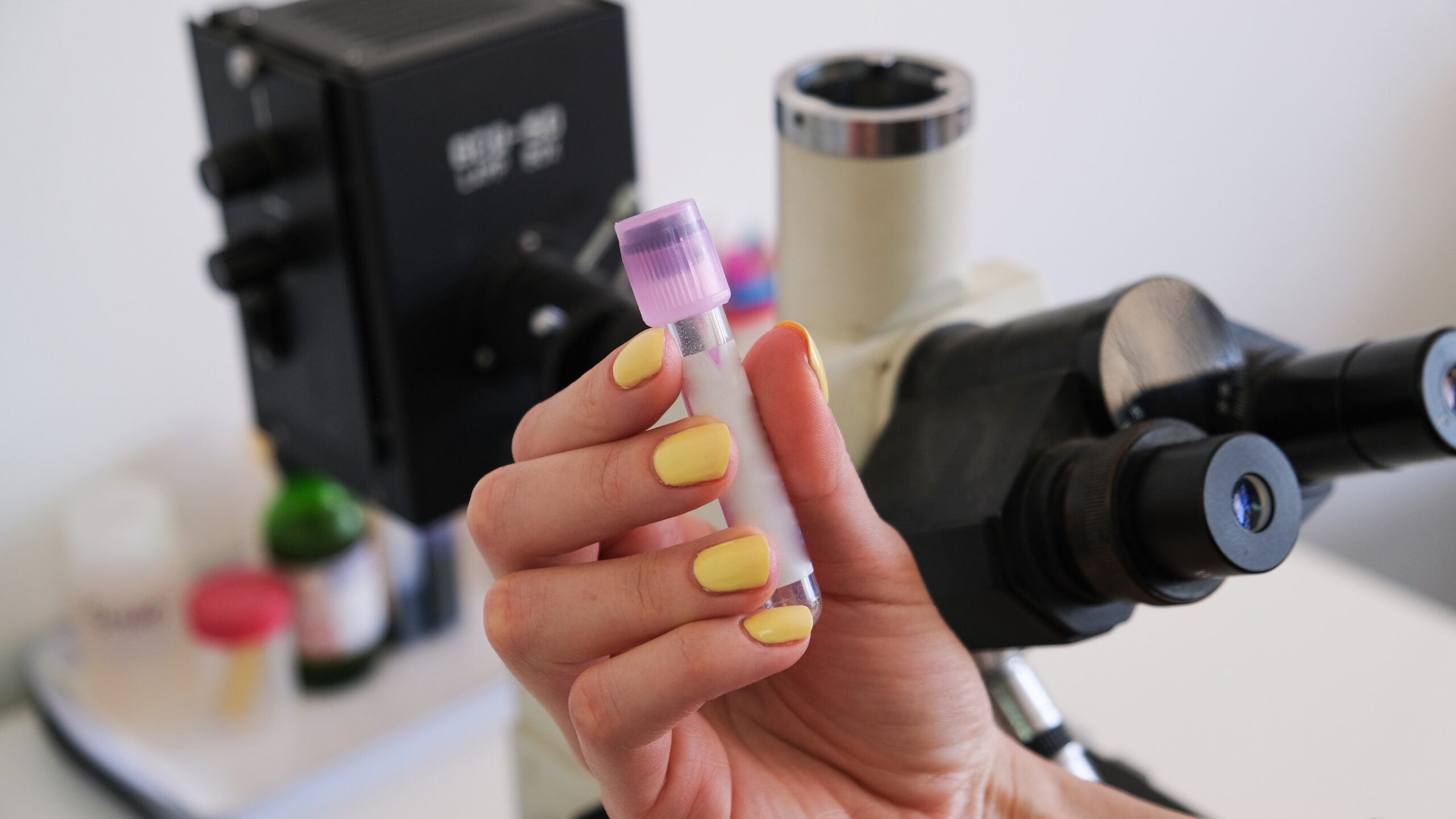

Have you been feeling persistently tired, experiencing unexplained aches and pains, or struggling with low mood that you can’t quite attribute to anything specific? These vague but troublesome symptoms often stem from nutritional deficiencies that go undiagnosed for months or even years. A vitamin deficiency test provides clear answers by measuring your body’s actual vitamin and mineral levels, revealing hidden nutritional gaps that may be undermining your health, energy, and wellbeing. In this comprehensive guide, you’ll discover what vitamin deficiency tests involve, which vitamins are typically measured, common symptoms that suggest testing is needed, how to interpret your results, and where to access convenient, comprehensive testing throughout the UK.
What Is a Vitamin Deficiency Test?
A vitamin deficiency test is a blood analysis that measures the levels of essential vitamins and minerals circulating in your bloodstream. Unlike guessing about potential deficiencies based on symptoms alone, testing provides objective data showing exactly which nutrients are adequate, borderline, or deficient in your body.
These tests range from single-vitamin assessments (such as vitamin D or B12 alone) to comprehensive nutritional panels that evaluate multiple vitamins and minerals simultaneously. Blood samples are collected through a simple venepuncture; a standard blood draw from a vein in your arm, and sent to certified laboratories where sophisticated equipment measures precise nutrient concentrations.
Testing is available through both NHS and private healthcare providers. NHS testing typically requires a GP referral and is generally reserved for individuals presenting with symptoms suggesting specific deficiencies or those in high-risk groups. Private testing offers broader access, allowing anyone concerned about their nutritional status to request comprehensive screening without medical referral.
At Drip Hydration UK, our health screening services include vitamin deficiency testing with the added convenience of mobile blood collection. A registered nurse visits your home, office, or hotel at a time convenient for you, eliminating the inconvenience of clinic appointments whilst maintaining the highest standards of professional care.
Why Vitamin Deficiency Testing Matters
Identifying Hidden Health Issues
Many vitamin deficiencies produce subtle, non-specific symptoms that are easily dismissed or attributed to stress, ageing, or “just feeling run-down.” Fatigue, difficulty concentrating, mood changes, muscle weakness, and frequent minor infections can all stem from nutritional inadequacies, yet these symptoms rarely prompt people to consider vitamin deficiency as the root cause.
Testing transforms vague concerns into concrete data. Rather than wondering whether your tiredness is “normal” or struggling to explain persistent symptoms to your GP, a vitamin deficiency test reveals the underlying nutritional cause. This clarity enables targeted treatment—addressing the specific deficiency rather than trying various interventions hoping something works.
Preventing Long-Term Health Problems
Whilst acute symptoms of vitamin deficiency can be uncomfortable, the long-term consequences of chronic deficiency are far more serious. Prolonged vitamin D deficiency weakens bones, increasing fracture risk and potentially leading to osteoporosis. Sustained vitamin B12 deficiency can cause irreversible neurological damage, affecting memory, balance, and nerve function.
Early detection through testing allows intervention before these serious complications develop. By identifying and correcting deficiencies promptly, you protect your long-term health whilst resolving current symptoms.
Optimising Wellness and Performance
Even levels that aren’t technically “deficient” by medical standards may be suboptimal for peak performance and vitality. Athletes, busy professionals, and anyone pursuing optimal health can benefit from testing that reveals whether their nutrient levels support their lifestyle demands.
Testing enables a data-driven approach to supplementation. Rather than taking vitamins “just in case” or following generic recommendations, you can personalise your nutrition strategy based on your body’s actual needs. This targeted approach is more effective and cost-efficient than blanket supplementation.
Common Vitamin Deficiencies Tested
Vitamin D Deficiency
Vitamin D deficiency is remarkably common in the UK, affecting approximately one in six adults. Between October and March, the sun’s angle prevents adequate ultraviolet B (UVB) radiation from reaching the UK, making natural vitamin D production impossible regardless of time spent outdoors.
Common symptoms include:
- Persistent fatigue and low energy
- Bone pain and muscle weakness
- Frequent infections and poor immune function
- Low mood and seasonal affective disorder (SAD)
- Impaired wound healing
The NHS recommends that all adults consider vitamin D supplementation during autumn and winter months. Testing confirms whether you’re deficient and helps determine appropriate supplementation levels. Those with confirmed deficiency may benefit from vitamin D injections for rapid correction of levels.
Vitamin B12 Deficiency
Vitamin B12 deficiency is particularly common amongst elderly adults (reduced stomach acid production impairs absorption), strict vegetarians and vegans (B12 exists almost exclusively in animal products), and individuals with digestive disorders affecting nutrient absorption.
Symptoms can be severe and include:
- Extreme fatigue and weakness
- Tingling or numbness in hands and feet
- Memory problems and difficulty concentrating
- Mood changes, including depression and irritability
- Balance issues and coordination problems
- Pale or jaundiced skin
Because B12 is crucial for nerve health and red blood cell formation, prolonged deficiency can cause permanent neurological damage. Testing identifies deficiency before irreversible complications develop, and treatment through B12 injections or IV therapy rapidly restores optimal levels.
Folate (Vitamin B9) Deficiency
Folate deficiency often occurs alongside B12 deficiency and produces similar symptoms—extreme tiredness, weakness, difficulty concentrating, and mood disturbances. Folate is essential for DNA synthesis and cell division, making it particularly important during pregnancy when cell growth accelerates.
Deficiency during pregnancy increases risk of neural tube defects in developing babies, which is why prenatal supplements universally contain folate. Testing before pregnancy or during early pregnancy confirms adequate levels, whilst non-pregnant individuals experiencing deficiency symptoms should also be tested and treated appropriately.
Iron Deficiency
Iron deficiency is the most common nutritional deficiency worldwide, affecting women of childbearing age particularly frequently due to menstrual blood loss. However, anyone with poor dietary iron intake, digestive absorption issues, or chronic blood loss can develop deficiency.
Classic symptoms include:
- Extreme tiredness and weakness
- Pale skin and mucous membranes
- Shortness of breath, especially with exertion
- Cold hands and feet
- Brittle nails and hair loss
- Restless legs syndrome
Iron testing typically includes both serum iron (circulating iron) and ferritin (stored iron), providing a complete picture of iron status. Treatment depends on deficiency severity and underlying cause, ranging from dietary modification and oral supplements to intravenous iron infusions in severe cases.
Vitamin C Deficiency
Whilst severe vitamin C deficiency (scurvy) is rare in developed countries, subclinical deficiency can occur, particularly in individuals with very poor diets, smokers (who have increased vitamin C requirements), and those with absorption issues.
Symptoms include:
- Fatigue and weakness
- Easy bruising and slow wound healing
- Bleeding gums and loose teeth
- Dry, rough skin
- Frequent infections
Adequate vitamin C supports immune function, collagen production, and antioxidant protection. Testing confirms levels, and treatment may include dietary modification, oral supplementation, or immunity-focused IV treatments containing high-dose vitamin C.
Other Important Nutrients
Comprehensive vitamin deficiency testing often includes additional nutrients:
Magnesium: Essential for energy production, muscle function, sleep quality, and hundreds of enzymatic reactions. Deficiency causes fatigue, muscle cramps, poor sleep, and anxiety.
Zinc: Supports immune function, wound healing, protein synthesis, and DNA synthesis. Deficiency impairs immunity, delays wound healing, and causes hair loss.
Vitamin A: Critical for vision, immune function, and skin health. Deficiency is rare in developed countries but can occur with severe dietary restriction or malabsorption.
Vitamin E: Powerful antioxidant protecting cell membranes. Deficiency is uncommon but may occur with fat malabsorption disorders.
Symptoms That Suggest You Need a Vitamin Deficiency Test
Certain symptom patterns strongly suggest nutritional deficiencies and warrant testing:
Energy and Cognitive Function
Persistent fatigue: Tiredness that doesn’t improve with adequate sleep or rest may indicate iron, vitamin D, B12, or magnesium deficiency.
Brain fog and difficulty concentrating: Cognitive impairment, memory problems, and reduced mental clarity often stem from B vitamin deficiencies, particularly B12 and folate.
Reduced physical stamina: Unusual weakness or quick exhaustion during normal activities may indicate iron, vitamin D, or B vitamin deficiency.
Mood and Mental Health
Low mood or depression: Vitamin D deficiency strongly correlates with depression, particularly seasonal affective disorder. B vitamins also influence neurotransmitter production and mood regulation.
Anxiety or irritability: Magnesium and B vitamin deficiencies can contribute to anxiety, restlessness, and emotional instability.
Seasonal mood changes: If your mood consistently dips during autumn and winter months, vitamin D deficiency is likely contributing.
Physical Symptoms
Frequent infections: Repeated colds, flu, or other infections suggest compromised immunity potentially related to vitamin D, C, or zinc deficiency.
Slow wound healing: Poor healing indicates possible vitamin C, zinc, or vitamin D deficiency.
Bone or muscle pain: Diffuse aches, particularly in bones and muscles, often stem from vitamin D or magnesium deficiency.
Hair loss or brittle nails: Can indicate iron, biotin, zinc, or vitamin D deficiency.
Mouth ulcers or cracked lips: May signal B vitamin, iron, or zinc deficiency.
Neurological Symptoms
Numbness or tingling: Particularly in hands and feet, this strongly suggests B12 deficiency and warrants urgent testing.
Balance issues or coordination problems: Can indicate B12 or vitamin E deficiency.
Memory problems: Especially concerning if progressive, may relate to B12 deficiency.
If you experience any combination of these symptoms, particularly if they persist despite adequate sleep, stress management, and general health measures, vitamin deficiency testing provides valuable diagnostic clarity.
Who Should Get a Vitamin Deficiency Test?
Whilst anyone can benefit from understanding their nutritional status, certain groups face elevated deficiency risk and should strongly consider testing:
People experiencing unexplained symptoms: If you struggle with persistent fatigue, mood changes, muscle weakness, or other symptoms without clear cause, testing may reveal nutritional deficiencies as the culprit.
Those following restricted diets: Vegans and vegetarians face higher risk of B12, iron, and zinc deficiency. Elimination diets for allergies or food intolerances may inadvertently create nutritional gaps.
Elderly adults: Ageing reduces nutrient absorption and synthesis. Reduced stomach acid production impairs B12 and iron absorption, whilst skin changes decrease vitamin D production. Appetite decline and dietary monotony further increase deficiency risk.
Individuals with digestive disorders: Crohn’s disease, coeliac disease, inflammatory bowel disease, and other gastrointestinal conditions impair nutrient absorption, making deficiencies common even with adequate dietary intake.
People with chronic health conditions: Diabetes, kidney disease, liver disease, and many other conditions affect nutrient metabolism and increase deficiency risk.
Those taking certain medications: Proton pump inhibitors (PPIs), metformin, and various other medications interfere with vitamin absorption or metabolism.
Pregnant women or those planning pregnancy: Adequate folate, iron, vitamin D, and other nutrients are crucial for maternal health and foetal development. Testing ensures optimal levels before and during pregnancy.
Busy professionals with poor dietary habits: Long working hours, frequent travel, and reliance on convenience foods often result in nutritional inadequacy.
Athletes seeking performance optimisation: Optimal nutrient status supports training adaptation, recovery, and performance. Testing reveals whether nutrition supports athletic goals.
What Does a Vitamin Deficiency Test Involve?
Preparing for Your Test
Most comprehensive vitamin panels require fasting—typically 8 to 12 hours without food, though water is permitted and encouraged. Fasting ensures accurate measurements of certain nutrients and eliminates dietary interference with test results.
Schedule your test for morning hours when possible, as this aligns with natural fasting overnight and provides more standardised conditions. Continue taking prescribed medications unless specifically instructed otherwise by your healthcare provider, but inform the testing service about all supplements and medications you’re taking.
Stay well-hydrated before your test. Adequate hydration makes blood collection easier and ensures sufficient blood volume for all required tests.
The Blood Collection Process
Blood collection for vitamin deficiency testing is straightforward and minimally invasive:
A registered nurse or phlebotomist identifies a suitable vein in your arm, cleans the area with antiseptic, and inserts a thin needle to draw blood into collection tubes. Different tubes may be used for different tests, each containing specific preservatives or anticoagulants required for accurate analysis.
The process typically takes 5 to 10 minutes from start to finish. Most people describe minimal discomfort—a brief pinch or sting as the needle enters, then pressure but not pain during collection.
With Drip Hydration UK’s mobile service, this entire process occurs at your chosen location—home, office, or hotel—eliminating travel to clinics or laboratories whilst maintaining professional standards and sterile technique.
Laboratory Analysis
Your blood samples are transported to certified laboratories equipped with sophisticated analytical equipment. Different vitamins require different testing methodologies:
Immunoassays: Used for many vitamin tests, these employ antibodies that bind specifically to the vitamin being measured, allowing precise quantification.
Chromatography: Separates and quantifies vitamins based on their chemical properties.
Mass spectrometry: Provides highly accurate measurements of vitamin concentrations.
Turnaround time varies but typically ranges from 3 to 7 days for comprehensive panels. Results are compiled into a detailed report showing your levels for each tested nutrient alongside reference ranges indicating whether levels are deficient, borderline, or optimal.
Understanding Your Vitamin Deficiency Test Results
How to Read Your Results
Vitamin deficiency test results display your measured levels alongside reference ranges—the normal values observed in healthy populations. Results typically categorise your levels as:
Deficient: Below the minimum threshold for health maintenance. Requires treatment.
Insufficient or borderline: Above deficiency threshold but below optimal levels. May benefit from supplementation, particularly if symptomatic.
Normal or adequate: Within the standard reference range. Generally sufficient for health maintenance.
Optimal: Upper end of normal range or slightly above. Many practitioners target these levels for peak wellness, though they’re not medically necessary for everyone.
It’s important to understand that reference ranges can vary between laboratories due to different testing methodologies, equipment, and population demographics used to establish “normal” values. Always interpret results in context with your symptoms, health status, and individual circumstances rather than focusing solely on numbers.
Common Test Values Explained
Understanding the specific measurements helps you interpret your results:
Vitamin D (25-hydroxyvitamin D): Measured in nanomoles per litre (nmol/L) in the UK:
- Deficient: Less than 25 nmol/L
- Insufficient: 25-50 nmol/L
- Adequate: 50-75 nmol/L
- Optimal: 75-150 nmol/L (targeted by many practitioners)
- Potentially excessive: Above 200 nmol/L
Vitamin B12 (cobalamin): Measured in picomoles per litre (pmol/L):
- Deficient: Less than 148 pmol/L
- Borderline: 148-221 pmol/L
- Normal: Greater than 221 pmol/L
- Optimal: Above 400 pmol/L (some practitioners target this for neurological health)
Folate (vitamin B9): Measured in nanomoles per litre (nmol/L):
- Deficient: Less than 7 nmol/L
- Borderline: 7-10 nmol/L
- Normal: Greater than 10 nmol/L
Iron studies: Multiple measurements provide complete picture:
- Serum iron: 10-30 μmol/L (normal range)
- Ferritin (stored iron): 15-300 μg/L (women), 15-400 μg/L (men)
- Iron deficiency: Ferritin less than 15 μg/L
- Iron deficiency anaemia: Ferritin less than 15 μg/L plus low haemoglobin
- Total iron-binding capacity (TIBC) and transferrin saturation provide additional context
Vitamin C: Measured in micromoles per litre (μmol/L):
- Deficient: Less than 11 μmol/L
- Normal: 23-85 μmol/L
- Optimal: 50-85 μmol/L
When to Seek Medical Advice
Certain test results warrant prompt medical consultation:
Severe deficiencies: Profoundly low levels (vitamin B12 below 100 pmol/L, vitamin D below 15 nmol/L, ferritin below 10 μg/L) require urgent treatment and may indicate serious underlying conditions requiring investigation.
Results that don’t match symptoms: If testing shows normal levels despite symptoms suggesting deficiency, further investigation may be needed to identify other causes or assess functional deficiency (adequate blood levels but impaired cellular utilisation).
Unexpected findings: Unusually high levels of certain vitamins or minerals may indicate supplementation issues or, rarely, medical conditions requiring attention.
Progressive symptoms: If symptoms worsen despite apparently adequate levels, medical evaluation is essential.
For most borderline or mild deficiencies, treatment through supplementation (oral, injection, or IV therapy) can proceed without extensive medical workup, particularly when symptoms clearly correlate with identified deficiencies.
What to Do After Your Vitamin Deficiency Test
Addressing Deficiencies Through Supplementation
Once testing identifies deficiencies, several treatment approaches exist:
Oral supplements: Appropriate for mild deficiencies and ongoing maintenance. However, absorption varies significantly between individuals, and some people struggle to restore optimal levels through oral supplementation alone.
Vitamin injections: For specific deficiencies like vitamin D or B12, intramuscular injections provide superior absorption compared to oral supplements. A single high-dose vitamin D injection can restore levels rapidly, whilst regular B12 injections maintain optimal status for those with absorption issues.
IV vitamin therapy: Intravenous delivery ensures complete absorption and rapidly corrects multiple deficiencies simultaneously. Our Myers’ Cocktail IV combines B vitamins, vitamin C, magnesium, and calcium in a single treatment, whilst our All-Inclusive IV provides comprehensive nutritional support.
The best approach depends on deficiency severity, your ability to absorb oral supplements, how quickly correction is needed, and personal preferences regarding convenience and treatment frequency.
Dietary Modifications
Whilst supplementation often proves necessary to correct established deficiencies, improving dietary intake helps maintain optimal levels long-term:
Vitamin D: Fatty fish (salmon, mackerel, sardines), egg yolks, fortified foods. Note that dietary sources rarely provide sufficient vitamin D—supplementation or sun exposure remains essential.
Vitamin B12: Meat, fish, eggs, dairy products. Vegans require supplementation as B12 exists almost exclusively in animal products.
Folate: Leafy green vegetables, legumes, fortified cereals, citrus fruits.
Iron: Red meat, poultry, fish, beans, lentils, fortified cereals, spinach. Pair plant-based iron sources with vitamin C to enhance absorption.
Vitamin C: Citrus fruits, berries, kiwi, bell peppers, broccoli, tomatoes.
Magnesium: Nuts, seeds, whole grains, leafy greens, legumes, dark chocolate.
Zinc: Meat, shellfish, legumes, nuts, seeds, dairy products.
Working with a registered dietitian can help optimise your diet for nutrient density, though dietary changes alone may not correct established deficiencies or maintain optimal levels in those with increased requirements.
Follow-Up Testing
After beginning treatment, follow-up testing confirms that your supplementation protocol effectively restores optimal levels:
Timing: Retest 8 to 12 weeks after starting oral supplementation, or 4 to 8 weeks after injection or IV therapy. This allows sufficient time for levels to respond to treatment.
Adjusting protocols: If levels haven’t adequately improved, dosage adjustments, delivery method changes (switching from oral to injection/IV), or investigation of absorption issues may be necessary.
Monitoring long-term: Once optimal levels are achieved, annual or biannual testing ensures your maintenance protocol keeps nutrients in the optimal range.
Preventing over-supplementation: Particularly for fat-soluble vitamins (A, D, E, K) that accumulate in body tissues, periodic testing prevents excessive intake that could cause toxicity.
NHS vs. Private Vitamin Deficiency Testing
Understanding your options helps you choose the most appropriate testing route:
NHS Testing
Availability: Generally limited to individuals presenting with symptoms suggesting specific deficiencies or those in high-risk groups (elderly, pregnant, diagnosed absorption disorders). GPs may be reluctant to order comprehensive panels for asymptomatic individuals seeking wellness optimisation.
Testing scope: Typically focuses on single suspected deficiencies rather than broad nutritional screening. Comprehensive panels are rarely approved through NHS pathways.
Cost: Free at point of service, funded through general taxation.
Waiting times: Can vary from days to weeks depending on GP practice, laboratory capacity, and clinical urgency.
Results discussion: Reviewed during follow-up GP appointment, though time constraints may limit detailed discussion of borderline results or optimisation strategies.
Best for: Individuals with suspected medical deficiency, those meeting NHS testing criteria, people unable to afford private testing.
Private Testing
Availability: Open to anyone regardless of symptoms or risk factors. No GP referral required.
Testing scope: Comprehensive nutritional panels measuring 10, 15, or more different vitamins and minerals in a single test. Customisable based on individual concerns.
Cost: Ranges from £50-200+ depending on panel comprehensiveness. Transparent pricing allows informed decisions.
Convenience: Mobile collection services like Drip Hydration UK eliminate travel to clinics. Flexible scheduling accommodates busy lifestyles.
Turnaround time: Often faster than NHS, with results typically available within 3-7 days.
Results consultation: Many private providers include detailed results review and treatment recommendations, exploring optimisation rather than just treating deficiency.
Best for: Wellness optimisation, comprehensive screening, those wanting rapid results, individuals seeking convenience, people unable to access NHS testing.
Making the Choice
Neither option is inherently superior—the best choice depends on your specific circumstances:
Choose NHS testing if you have symptoms suggesting deficiency, meet NHS criteria, or cannot afford private testing.
Choose private testing if you want comprehensive screening, can’t access NHS testing, value convenience and speed, or seek optimisation beyond minimum adequacy.
Many people use both systems strategically: NHS testing for diagnosed medical conditions, private testing for preventive screening and wellness optimisation.
How Much Does Vitamin Deficiency Testing Cost?
Understanding the investment helps you budget for testing:
NHS provision: Free for those meeting clinical criteria, though may be limited in scope.
Private single vitamin tests: £50-200 each for individual vitamins like D or B12.
Comprehensive vitamin panels: £100-500+ for panels testing 8-15 different nutrients.
Mobile collection premium: Services offering at-home blood collection typically add £20-50 to laboratory testing costs for convenience.
Follow-up testing: After initial screening, monitoring specific deficiencies costs less than comprehensive panels.
Value considerations: Comprehensive testing reveals multiple deficiencies in a single panel, often proving more cost-effective than sequential single-vitamin tests. Additionally, identifying and correcting deficiencies may reduce other healthcare costs by resolving symptoms that might otherwise prompt expensive investigations or treatments.
Drip Hydration UK’s health screening services provide transparent pricing for comprehensive panels with mobile collection included, eliminating surprise costs whilst delivering professional, convenient service.
Vitamin Deficiency Testing with Drip Hydration UK
Our Health Screening Services
At Drip Hydration UK, we’ve designed our vitamin deficiency testing to maximise convenience, accuracy, and actionable insights:
Comprehensive nutritional panels: Test multiple vitamins and minerals simultaneously, providing complete nutritional status overview rather than piecemeal information.
Mobile blood collection: Registered nurses travel to your home, office, or hotel at a time convenient for you, eliminating clinic visits and travel time.
Professional phlebotomy: Experienced healthcare professionals ensure comfortable, efficient blood collection using sterile, single-use equipment.
Certified laboratory analysis: Your samples are processed by accredited laboratories employing rigorous quality control and advanced analytical methods.
Detailed results consultation: Unlike providers who simply send results via email, we include thorough explanation of your findings, discussion of symptoms, and personalised treatment recommendations.
Integrated Wellness Approach
Our health screening services integrate seamlessly with our treatment offerings, creating a complete pathway from diagnosis to optimisation:
Seamless treatment access: If testing reveals deficiencies, we can immediately arrange appropriate vitamin injections, IV therapy, or other interventions without navigating multiple providers.
Personalised protocols: Your treatment plan is tailored to your specific deficiencies, symptoms, lifestyle, and preferences rather than following generic protocols.
Ongoing monitoring: We coordinate follow-up testing to ensure your treatment effectively restores and maintains optimal levels, adjusting protocols as needed.
Comprehensive wellness support: Beyond addressing identified deficiencies, we can support broader wellness goals through our range of IV treatments, vitamin injections, and health optimisation services.
Booking Your Test
Getting started is straightforward:
- Choose your panel: Select comprehensive screening or targeted testing based on your concerns and budget
- Schedule collection: Book online or contact us to arrange mobile collection at your preferred location and time
- Prepare for testing: Follow simple preparation instructions (typically 8-12 hour fast)
- Collection visit: Registered nurse arrives with all equipment, collects samples in 10 minutes
- Laboratory analysis: Your samples are processed by certified laboratories
- Results consultation: Receive detailed results with personalised treatment recommendations
- Treatment planning: If deficiencies are identified, we arrange appropriate supplementation, injections, or IV therapy
Check our locations page to confirm service availability in your area, or contact our team to discuss your specific testing needs and wellness goals.
Frequently Asked Questions
What vitamins are typically tested in a deficiency test?
Comprehensive vitamin deficiency tests typically measure vitamin D, vitamin B12, folate (vitamin B9), iron and ferritin, and vitamin C. More extensive panels may include vitamins A, E, and K, plus essential minerals like magnesium, zinc, selenium, and calcium. The specific vitamins tested depend on the panel selected and your individual health concerns or risk factors.
Do I need to fast before a vitamin deficiency test?
Most comprehensive vitamin panels require 8 to 12 hours of fasting before blood collection to ensure accurate results. Water is permitted and encouraged during fasting. However, some single vitamin tests (like vitamin D or B12 alone) may not require fasting. Your testing provider will give specific preparation instructions when you book your appointment.
How long does it take to get vitamin deficiency test results?
Turnaround time typically ranges from 3 to 7 days from blood collection to results availability. Private laboratories may offer faster processing (3-5 days), whilst NHS testing may take longer (7-14 days or more) depending on laboratory capacity and clinical priority. At Drip Hydration UK, we provide results as quickly as laboratories complete analysis, typically within one week.
Can I get a vitamin deficiency test without a GP referral?
Yes, through private testing providers, you can access comprehensive vitamin deficiency testing without GP referral. Private health screening services like Drip Hydration UK offer direct-access testing to anyone concerned about their nutritional status. NHS testing typically requires GP referral and is generally reserved for individuals with symptoms or risk factors meeting clinical criteria.
How often should I test my vitamin levels?
After initial comprehensive screening, testing frequency depends on your results and circumstances. If deficiencies were identified and treated, retest 8 to 12 weeks after beginning supplementation to confirm correction. Once optimal levels are achieved, annual testing ensures your maintenance protocol keeps nutrients in healthy ranges. Those with absorption issues, restrictive diets, or certain medical conditions may benefit from more frequent monitoring (every 3-6 months).
Conclusion
Understanding your nutritional status through vitamin deficiency testing transforms vague symptoms and wellness concerns into actionable data. Rather than guessing about potential deficiencies or trying generic supplements hoping for improvement, testing reveals your body’s actual vitamin and mineral levels, enabling targeted treatment that addresses your specific needs.
The benefits extend beyond symptom resolution. Identifying and correcting deficiencies prevents long-term health problems, optimises energy and performance, supports immune function, and provides peace of mind that your nutrition supports your lifestyle demands. Whether you’re experiencing persistent fatigue, mood changes, frequent infections, or simply want to optimise your health, vitamin deficiency testing provides the foundation for evidence-based wellness.
Ready to discover your nutritional status and take the first step towards optimal health? Book comprehensive vitamin deficiency testing with Drip Hydration UK today. Our registered nurses provide convenient mobile blood collection throughout the UK, with detailed results consultation and integrated treatment options ensuring seamless progress from testing to optimisation. Your wellness journey begins with understanding, and we’re here to guide you every step of the way.