

Introduction
After a night out, a celebration, or a social event, it is common to wake up feeling unwell and immediately search for how to get sober fast. Headaches, nausea, fatigue, and mental fog can make even simple tasks feel difficult. For many social drinkers, the priority is not excess drinking but feeling normal again as quickly as possible.
It is important to understand that there is no instant way to sober up. The body needs time to process alcohol. However, recovery can be supported safely when you understand what alcohol does to your system. Alcohol affects hydration levels, depletes key nutrients, and disrupts the nervous system and sleep. These changes are the main reason people feel unwell long after drinking has stopped.
This article explains what getting sober actually means, why alcohol causes these symptoms, and what evidence based steps can support recovery after drinking. It also outlines when medical advice may be appropriate, so you can make informed and responsible choices about your health.
What Does “Getting Sober” Really Mean? Understanding Alcohol Recovery
When people search for how to get sober fast, they often mean they want the uncomfortable symptoms after drinking to stop. Feeling more alert or less nauseous does not mean the alcohol has left your system. This distinction is important for both safety and recovery.
Alcohol enters the bloodstream quickly and is processed mainly by the liver. On average, the liver can break down about one unit of alcohol per hour. This rate does not change based on body size, fitness level, or tolerance. Once alcohol is in the bloodstream, the liver needs time to metabolise it. This is why there is no safe or reliable way to speed up sobriety.
Many common strategies claim to help you get sober fast, but they do not affect alcohol metabolism. Coffee may make you feel more awake, but it does not reduce blood alcohol levels. Cold showers can increase alertness, but they do not help the body clear alcohol. Exercise may raise heart rate, but it does not speed up how quickly alcohol is processed.
According to NHS guidance, time is the only factor that truly lowers alcohol levels in the body. Understanding this helps set realistic expectations and supports safer decisions after drinking, including when to rest, rehydrate, or seek medical advice if symptoms feel severe.
Why Alcohol Makes You Feel Unwell: The Real Causes Behind Hangover Symptoms
Understanding why alcohol affects the body can help explain why searching for how to get sober fast is so common after social drinking. The symptoms people experience are not random. They are the result of several predictable changes that occur once alcohol enters the body.
A. Dehydration After Alcohol: Why Fluid Loss Slows Sobering Up
Alcohol has a diuretic effect, which means it increases urine production and causes the body to lose fluids more quickly than normal. Even moderate drinking can lead to mild to moderate dehydration. This fluid loss reduces blood volume and affects circulation.
Dehydration is closely linked to common hangover symptoms such as headaches, dizziness, dry mouth, and poor concentration. When the brain and muscles do not receive enough fluids, mental clarity and physical energy both decline. This can make recovery feel slower and more difficult.
Rehydration is therefore a key part of recovery after drinking. Replacing fluids supports circulation and helps the body restore balance, even though it does not speed up alcohol metabolism itself. The NHS highlights hydration as an important part of managing hangover symptoms safely.
B. Nutrient Depletion After Drinking Alcohol and Its Impact on Recovery
Alcohol interferes with the absorption and storage of several essential nutrients. B vitamins, magnesium, and vitamin C are commonly depleted after drinking. These nutrients play an important role in energy production, nerve function, and cognitive performance.
Alcohol metabolism also increases oxidative stress, which places additional strain on cells. When nutrient levels are low, the body has fewer resources to support normal recovery processes. This contributes to fatigue, weakness, and difficulty concentrating.
Nutrient depletion can also worsen brain fog after alcohol. Without adequate micronutrients, the nervous system struggles to function efficiently, which explains why many people feel mentally slow or unfocused the day after drinking.
C. Sleep Disruption After Alcohol and Nervous System Stress
Although alcohol can make people feel sleepy, it disrupts normal sleep patterns. Alcohol reduces rapid eye movement (REM) sleep and causes fragmented sleep throughout the night. As a result, sleep quality is often poor even after several hours in bed.
Alcohol also activates the sympathetic nervous system, which is responsible for the body’s stress response. This heightened state of alertness can persist into the next day and affect mood, memory, and attention.
Poor sleep combined with nervous system stress explains why many people feel anxious, irritable, or mentally foggy after drinking. Rest and nervous system recovery are therefore essential parts of feeling better, even when alcohol has already left the bloodstream.
How to Get Sober Fast Safely: What Actually Helps Your Body Recover
When people search for how to get sober fast, they are often looking for ways to feel better quickly and return to normal activities. While there is no method that can remove alcohol from the body instantly, there are evidence based steps that support safer and more effective recovery.
Many commonly suggested tactics do not speed up sobriety. Coffee may increase alertness, but it does not lower blood alcohol levels and can worsen dehydration. Cold showers may help you feel more awake, but they do not improve alcohol metabolism and can place strain on the cardiovascular system. Trying to power through the day without rest often prolongs fatigue and increases the risk of errors or accidents.
Most commercial hangover cures also lack strong scientific evidence. Many products focus on temporary symptom relief without addressing the underlying causes such as fluid loss, nutrient depletion, and sleep disruption. Relying on these solutions can give a false sense of recovery.
What does help recovery after alcohol is supporting the body’s natural processes. Rehydration helps restore fluid balance and circulation. Electrolyte balance supports nerve and muscle function, which can reduce weakness and dizziness. Nutrient replenishment, particularly of B vitamins and magnesium, supports energy production and cognitive function. Rest and sleep support allow the nervous system to stabilise and improve mood and concentration.
Ignoring dehydration and nutrient loss after drinking can delay recovery and worsen symptoms such as headaches, brain fog, and fatigue. In some cases, it can also increase the risk of complications, especially if alcohol intake was higher than usual. Taking recovery seriously supports both short term wellbeing and long term health.
Medical-Led Recovery Options for Social Drinkers
For many people, rest, fluids, and nutrition are enough to support recovery after drinking. However, there are situations where self care alone does not feel sufficient. Persistent nausea, severe fatigue, headaches, or difficulty concentrating can make it hard to recover, especially when work or personal commitments cannot be postponed.
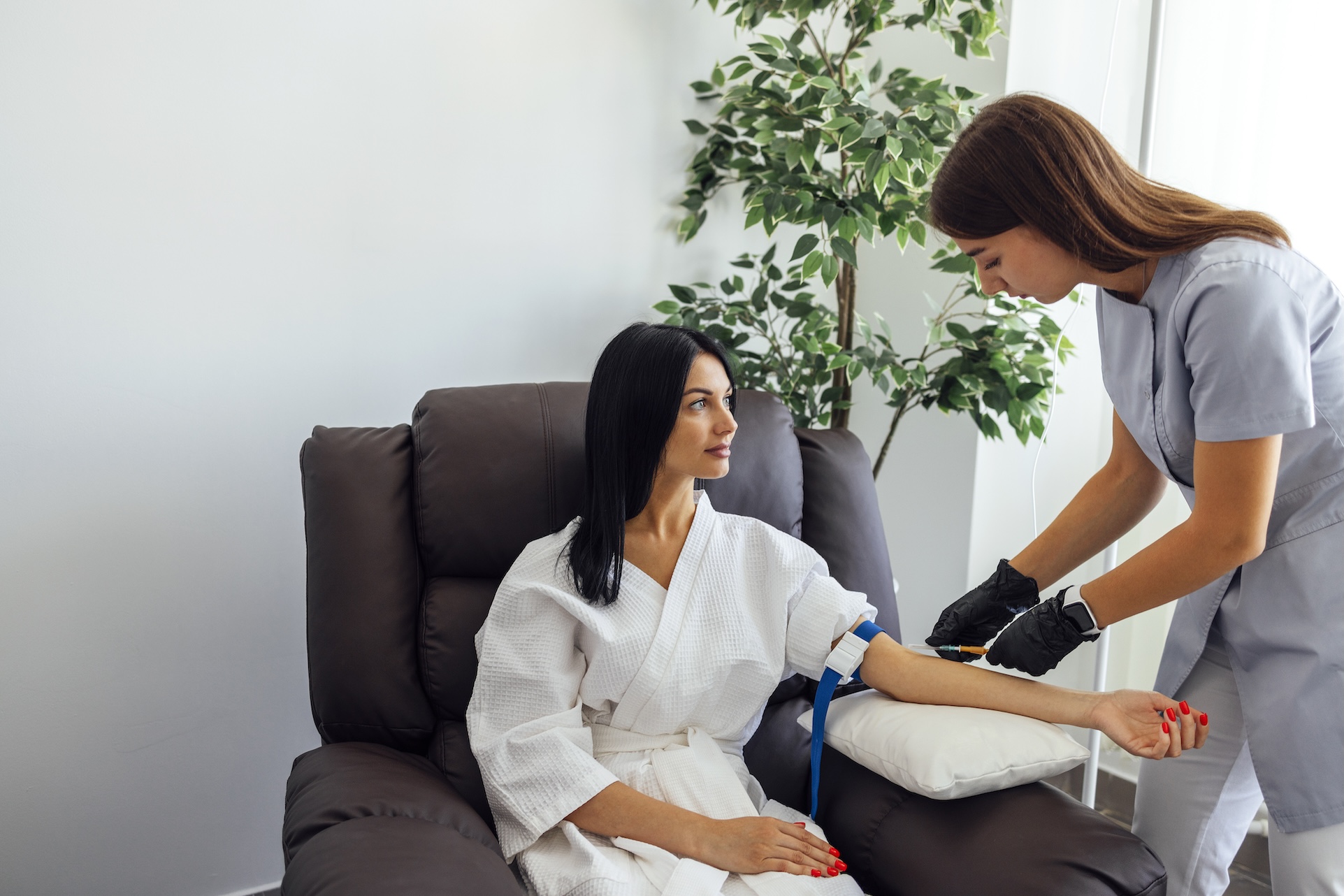
Clinically supervised recovery support may help when symptoms are more intense or when rapid rehydration and nutrient restoration are needed. Medical led services focus on correcting dehydration, supporting electrolyte balance, and replenishing key vitamins under appropriate clinical oversight. This approach prioritises safety and suitability rather than quick fixes.
It is important to view medical support through a harm reduction lens. The goal is not to encourage excess drinking or replace responsible habits. Instead, it supports the body’s recovery after alcohol exposure and helps reduce the impact of symptoms that can interfere with daily functioning. Medical oversight also allows symptoms to be assessed properly, which can provide reassurance or prompt further advice if needed.
At Drip Hydration UK, recovery services are delivered with clinical governance and are designed to fit around busy or social lifestyles. Relevant services include the Hangover IV Treatment, the Dehydration IV Treatment, and the Recovery IV Treatment. For those who need medical guidance before treatment, a Virtual GP Consultation offers an additional layer of clinical assessment and support.
When to Seek Medical Advice After Drinking
Most hangover symptoms improve with time, rest, and hydration. However, there are situations where trying to manage symptoms at home is not appropriate. Knowing when to seek medical advice is an important part of staying safe after drinking.
Warning signs that require medical assessment include persistent vomiting, confusion, severe headache, chest pain, or difficulty breathing. These symptoms may indicate dehydration that is more severe, electrolyte imbalance, or another underlying issue that needs professional evaluation. Drowsiness that is unusual or worsening, as well as difficulty staying awake, should also be taken seriously.
There are also signs of alcohol related complications that should not be ignored. These include severe abdominal pain, blood in vomit, seizures, or sudden changes in behaviour. In these cases, immediate medical attention is necessary, as delaying care can increase health risks.
According to NHS guidance, you should seek medical help if symptoms are severe, do not improve, or cause concern. The NHS advises contacting urgent care services or attending an emergency department if someone shows signs of alcohol poisoning or serious complications after drinking. Understanding these warning signs helps ensure that recovery after alcohol is handled safely and responsibly.
Conclusion
Feeling unwell after drinking alcohol is common and, in most cases, manageable with the right approach. Symptoms such as headaches, fatigue, and poor concentration often reflect dehydration, nutrient loss, disrupted sleep, and the simple need for time. Understanding these factors helps set realistic expectations when searching for how to get sober fast. By prioritising hydration, restoring key nutrients, allowing proper rest, and recognising when medical advice is needed, recovery can be supported safely. For those with busy or social lifestyles, Drip Hydration UK offers medically led recovery services designed to support hydration and nutrient restoration while keeping safety and responsible recovery at the centre of care.